
Last updated October 16, 2026
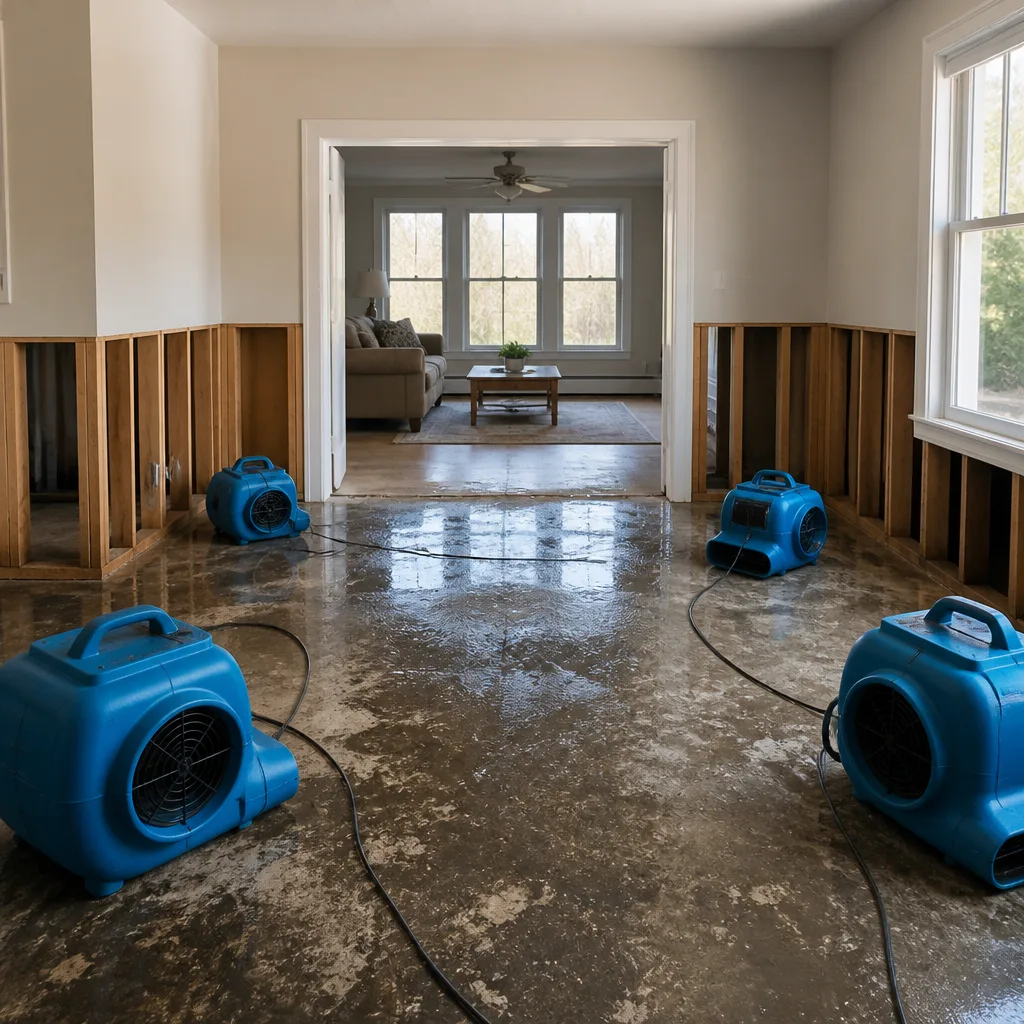 Water damage drying
 Fire & smoke cleanup
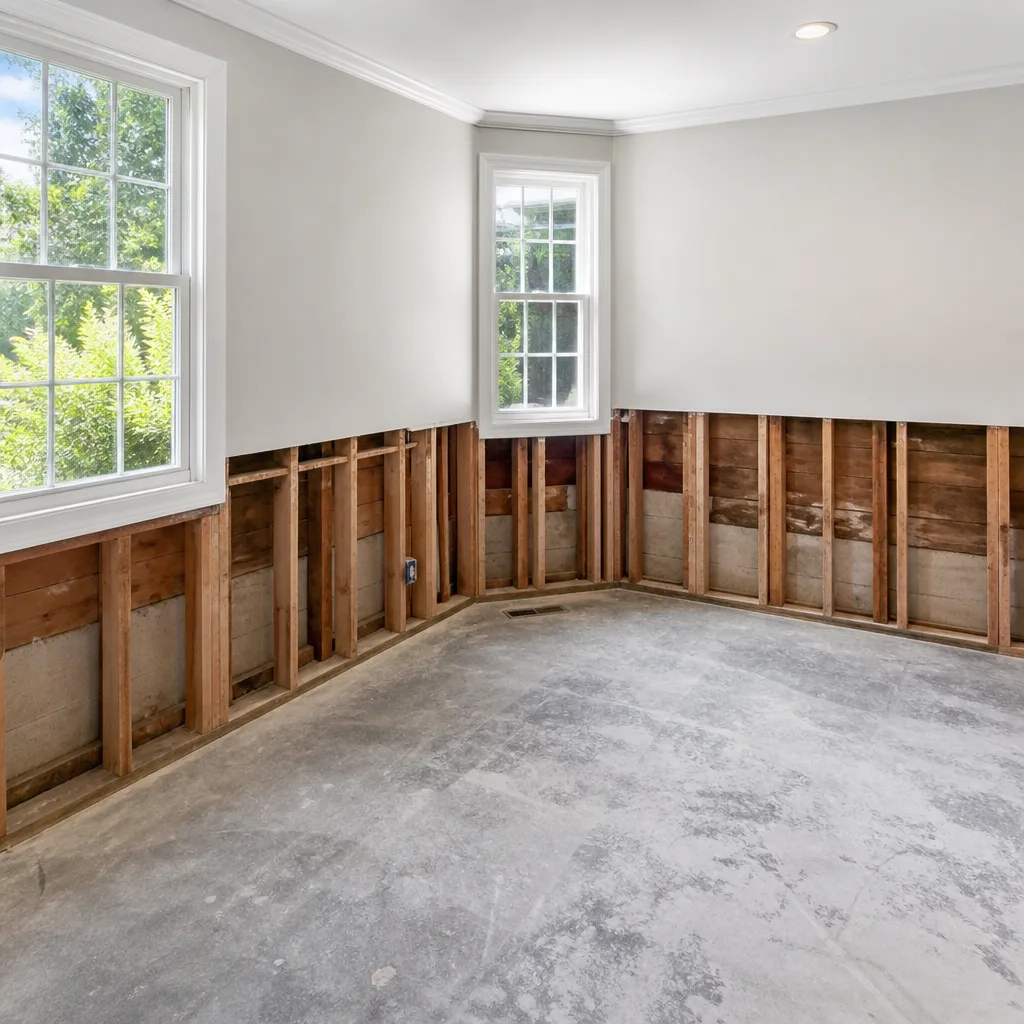 Mold remediation
 Storm response
 Sewage cleanup
 Reconstruction
Free visual inspection and a written scope of work before any mitigation begins - photos, moisture readings, and drying logs go in your claim file
The scope we write is the scope we bill. Anything new gets shown to you, in writing, before we touch it.
Get your free estimateThe Complete Guide to Damage Restoration in Orlando
The average Orlando home sits at 70 – 80% relative humidity indoors during summer, which means water damage that would dry in 3 days in Denver takes 7 – 10 days here. Yet most restoration quotes are written as if zip code doesn’t exist. This guide is built for Orlando homeowners who want the full picture before they spend a dollar: what actually happens during restoration, what it costs in this specific market, how Florida’s licensing system affects your claim, and the questions to ask before anyone touches a wall. By the end, you’ll know more about damage restoration in Orlando than most people selling it.
Restoration work we handle
Quick Answer
Damage restoration in Orlando typically runs $2,500 – $7,500 for water mitigation and drying, $3,000 – $12,000 for full mold remediation, and $5,000 – $35,000+ when reconstruction is involved. In Orlando’s subtropical climate, professional drying takes 4 – 7 days on average, not the 2 – 3 days quoted in drier markets. The single most important decision you’ll make is whether the company you hire carries the right Florida license tier for the work being done, because that determines whether your insurance claim gets paid at all.
Table of Contents
- Why Orlando Is Different: Humidity, Soil, and Building Stock
- Mitigation vs. Remediation vs. Reconstruction: The Three Stages Explained
- Florida Contractor Licensing: Why MRSR Matters for Your Claim
- The Drying Science Most Orlando Quotes Ignore
- Step-by-Step: What a Proper Restoration Job Looks Like in Orlando
- What Damage Restoration Costs in Orlando: A Line-Item Breakdown
- Insurance, Adjusters, and the Documentation You’ll Wish You Had
- Common Mistakes to Avoid
- When to Call a Professional
- Frequently Asked Questions
- The Bottom Line
Why Orlando Is Different: Humidity, Soil, and Building Stock
Three forces shape every restoration job in Orlando, and if you don’t understand them, you’re making decisions blind. The first is the one you feel every July afternoon: ambient humidity that rarely drops below 60% and regularly sits in the 70 – 80% range indoors during summer. When a pipe bursts or a storm breaches a window, the water does not simply evaporate the way it does in Phoenix or Denver. It hangs in the air, soaks into drywall, wicks up painted baseboards, and keeps carpet padding damp for days after the visible water is gone. A restoration company that runs fans for 48 hours and declares victory is not drying your home. They’re drying the surface. The moisture inside your walls and subfloor is still there, quietly feeding mold.
The second force is Orlando’s soil. Most of central Florida sits on clay-heavy earth over a limestone shelf, and the majority of homes in the metro are slab-on-grade construction. That means there’s no crawlspace underneath to absorb groundwater intrusion the way you’d see in North Carolina or Virginia. When water seeps under a slab from a plumbing leak or heavy groundwater pressure after a storm season, it moves laterally, under your flooring, through the porous concrete. Cracks in the slab become channels. Vinyl plank flooring traps the moisture underneath, and you won’t see it until the planks start lifting or the smell starts rising. Crawlspace drying techniques, which dominate restoration guides written for other states, simply do not apply here.
The third force is less visible but just as real. Between roughly 2015 and 2023, Orlando saw one of the fastest housing construction booms in the country, driven by tourism-sector jobs and a steady flow of new residents. That pace, combined with a sometimes-lax inspection culture in high-volume subdivisions, means thousands of homes were framed, flashed, and sealed in a hurry. We regularly see homes less than ten years old in areas like Lake Nona, Winter Garden, and Horizon West with stucco cracks, improperly lapped moisture barriers, and window flashing that pulls away from the sheathing under pressure. On this page, we cover the full restoration process for Orlando specifically, from the first wet carpet to the final sign-off.
Mitigation vs. Remediation vs. Reconstruction: The Three Stages Explained
Most homeowners use the phrase “water damage restoration” to describe one thing, but the industry actually works in three distinct stages, each with different goals, different timelines, different price tags, and different licensing requirements. Knowing where you are in that sequence tells you who should be doing the work and what it should cost.
Stage 1: Emergency Mitigation (Hours 0 – 72)
Mitigation means stopping the bleeding. It’s the emergency response: finding the source of water, shutting it off, extracting standing water, removing saturated materials that cannot be saved, and setting up professional-grade drying equipment. In Orlando, mitigation typically costs between $2.50 and $5.50 per square foot of affected area, so a 400-square-foot living room flood runs $1,000 – $2,200. This stage is urgent. Every day of delay in subtropical humidity increases the likelihood that you graduate from mitigation into mold remediation. You can read the full breakdown of mitigation work on our water damage restoration in Orlando page.
Stage 2: Remediation (Days 3 – 14)
Remediation is the removal of contamination. It applies mostly to mold, but also to sewage-affected water damage and bacterial contamination from gray water. Mold remediation in Orlando involves more than spraying bleach on a patch of drywall. A proper job requires containment of the affected area (plastic sheeting and negative air pressure), HEPA filtration, removal of porous materials that cannot be cleaned, antimicrobial treatment of structural members, and clearance testing to confirm spore counts have returned to normal background levels. Remediation is slower and more expensive than mitigation because it involves containment setup, disposal costs, and lab verification. Orlando’s humidity makes mold the single most common downstream consequence of water damage, and if you’ve had a leak for more than 48 hours, assume you need professional assessment. More detail is available on our mold remediation in Orlando page.
Stage 3: Reconstruction (Weeks 2 – 8, Sometimes Longer)
Reconstruction is the rebuild: drywall replacement, painting, flooring, trim, cabinets, and sometimes electrical or plumbing repairs. This is the most expensive stage and the most variable in price. A bathroom flood that requires new drywall, baseboards, paint, and flooring can run $5,000 – $12,000. A kitchen rebuild after a supply line failure can hit $20,000 – $35,000. Unlike mitigation and remediation, reconstruction is not an emergency. It’s scheduled work, priced in writing, and performed like a remodel. The materials chosen, the scope agreed upon, and the contractor’s skill determine the outcome. For a closer look at what gets rebuilt and when, see our water damage repair in Orlando page.
The sequence matters. If mitigation is skipped, remediation becomes more extensive. If remediation is skipped, reconstruction buries mold inside your walls. If reconstruction is rushed, you’ll be hiring someone again next year. Any company that offers to do all three stages on a water-loss job without a clear written scope for each is not doing you a favor.
Florida Contractor Licensing: Why MRSR Matters for Your Claim
Florida’s contractor licensing tiers are not a formality. They determine who can legally do what, and they directly impact whether your insurance company will pay a claim. Here’s what Orlando homeowners need to know about permits, codes & inspections.
The Difference Between MRSR and General Contractor
In Florida, mold assessment and mold remediation require a specific license: the Mold-Related Services Remediation license, or MRSR, issued by the Florida Department of Business and Professional Regulation (DBPR). A general contractor’s license does not authorize mold remediation. If you hire a general contractor to remove mold and your insurance company later asks for the remediator’s license number, and you don’t have one, you have a problem. Claims get denied or delayed over this exact issue.
Water damage mitigation and drying work does not require a dedicated state license in the same way mold remediation does, but the companies doing the work should hold a state contractor’s license appropriate to the scope, and their technicians should be certified through a recognized standard: IICRC (Institute of Inspection, Cleaning, and Restoration Certification), RIA (Restoration Industry Association), or IFA (the IFA Standard). These certifications matter because insurance adjusters recognize them. They signal that the drying calculations, equipment placement, and documentation will meet the standard the adjuster expects to see.
The practical takeaway: when you’re vetting any restoration company in Orlando, ask two questions before you sign anything. First, “What is your Florida license number, and which tier does it cover?” Second, “Which certifications do your technicians hold?” If the answer to either is vague, move on. You’re not being difficult. You’re protecting a claim worth potentially tens of thousands of dollars.
The Drying Science Most Orlando Quotes Ignore
Here’s the part of restoration that most guides skip, and it’s the part that determines whether your home actually dries or just looks dry. The term is psychrometric drying, and it’s the science of measuring and controlling the moisture relationship between air and materials. In plain language: professional restorers use instruments to measure how much water is in the air (relative humidity), how much water is in your drywall and wood (moisture content), and how much energy it will take to move the moisture from the material into the air so a dehumidifier can remove it.
In Orlando, this calculation is different from anywhere else in the country because the starting conditions are wetter. A psychrometric reading in Denver might show indoor relative humidity of 35% after a leak, meaning the air has enormous capacity to absorb moisture, and drying is fast. In Orlando, the same leak in August produces an indoor relative humidity of 75% or higher. The air inside your home is already nearly saturated. That means two things. First, you need more dehumidification capacity relative to the square footage than you would in a dry climate. Second, you need to monitor drying progress more carefully, because the margin between “dry enough to close up” and “damp enough to feed mold” is narrower here.
We deploy equipment like Dri-Eaz dehumidifiers and Phoenix air movers, sized and placed according to IICRC protocol, with daily moisture readings logged and shared with the homeowner. A proper Orlando job involves checking moisture content in multiple locations per room: base of the wall, center of the drywall, subfloor under the flooring, not just one spot by the door. Equipment placement changes as drying progresses, and the dehumidifier gets repositioned on day 2 or 3 to target the areas that are lagging. That’s what psychrometric drying actually looks like. A company that sets up fans and leaves is not doing it.
Step-by-Step: What a Proper Restoration Job Looks Like in Orlando
If you’ve never been through a restoration claim, the process can feel like being handed a foreign language. Here’s the sequence, step by step, from the moment you notice water to the day the final invoice clears.
- Stop the source. If there’s an active leak, shut off the water at the main valve or the fixture shutoff. If it’s stormwater intrusion, do what you can to divert it safely. Do not enter a flooded area if the water is touching electrical outlets or appliances. Call your utility company if the water level is near any electrical panel.
- Call your insurance company. Report the loss immediately. Most HO-3 and HO-5 policies in Florida require prompt reporting, and delays can complicate your claim. Ask them what your deductible is and whether they require a specific restoration vendor or allow your choice.
- Call a restoration company. You want a live person, not a voicemail. Ask about their license, their certifications, their response time, and whether they provide a written price before any work begins. In our office, a real human answers the phone 24/7, including holidays and 3:00 a.m. pipe bursts.
- Emergency mitigation begins. The technician arrives, documents the damage with photos and moisture readings (what we call a photo-documented assessment), extracts standing water, removes unsalvageable materials, and sets up drying equipment. You should receive a written scope and price before any of this work begins.
- Daily monitoring. Proper drying is measured, not guessed. Moisture readings should be taken daily at minimum, in multiple spots per room. The drying plan adjusts based on the numbers. When materials reach their dry standard, and only then, is the equipment removed.
- Remediation assessment. If mold is present, or if the water sat for more than 48 hours, a separate assessment determines the scope of remediation. Expect containment, HEPA filtration, antimicrobial treatment, and clearance testing.
- Reconstruction scope and written quote. Once the affected area is dry and cleaned, the rebuild begins. This is a separate scope, a separate price, and a separate schedule. You should see every line item in writing before any demolition or construction begins.
- Reconstruction and finishing. Drywall, paint, flooring, trim, and any needed electrical or plumbing repairs are completed. This stage can take anywhere from a few days to several weeks depending on the scope.
- Final inspection and documentation. You receive before-and-after photos, final invoices, and any documentation your insurance company needs. If anything is not done right, this is the moment to flag it. The best restoration companies have a written guarantee policy, not a verbal “just trust us.”
What Damage Restoration Costs in Orlando: A Line-Item Breakdown
Here are the numbers Orlando homeowners actually pay, based on the work we see in this market. These are real ranges, not national averages pulled from a franchise pricing sheet.
- Emergency water extraction: $400 – $900 for a typical single-room flood, including the technician visit, equipment to extract standing water, and initial assessment.
- Structural drying (per day, per room): $75 – $150. A typical 3-day drying job for a 400-square-foot affected area runs $1,000 – $1,800 total including equipment.
- Baseboard and drywall removal: $3 – $6 per linear foot for baseboards, $1.50 – $3.00 per square foot for drywall cut-and-remove, depending on how high the water wicked.
- Antimicrobial treatment: $50 – $100 per room, applied to structural members after removal of contaminated materials.
- Mold containment and remediation: $2,000 – $6,000 for a contained area up to 300 square feet. Larger or multi-room remediation can run $6,000 – $12,000.
- Clearance testing (post-remediation verification): $300 – $800, performed by an independent mold assessor, not the remediation company.
- Drywall replacement and finishing: $60 – $90 per sheet installed, taped, textured, and painted. A standard 4×8 sheet covers 32 square feet, so a 300-square-foot wall replacement means roughly 10 sheets, or $600 – $900 in drywall plus labor.
- Flooring replacement: $4 – $8 per square foot for mid-range laminate or vinyl plank, $6 – $12 per square foot for tile, installed. Carpet runs $3 – $6 per square foot including pad.
- Painting: $2.50 – $4.50 per square foot of wall area for professional painting in the Orlando market, including primer and two coats.
- Full kitchen rebuild (cabinets, counters, flooring, drywall, plumbing): $18,000 – $35,000 depending on finishes.
- Full bathroom rebuild: $8,000 – $18,000.
Every job we quote includes a written price before any work starts. The number on the screen is the number you pay. No surprise line items at the end, no “we found additional damage and the price doubled” without a documented conversation and a revised written scope that you sign.
Insurance, Adjusters, and the Documentation You’ll Wish You Had
Insurance is almost always in the room, even when it’s not mentioned. And the single biggest factor in whether a claim gets paid quickly, paid slowly, or denied is documentation. Specifically, photographic documentation with timestamps and moisture readings, organized in a way your adjuster can review in five minutes.
Here’s what actually happens when a claim goes smoothly. The restoration company arrives, documents the damage from the first minute, and maintains a photographic record through every stage: saturated drywall before removal, the interior of wall cavities after removal, moisture readings day by day, equipment in place, and final dry readings. The adjuster walks in, reviews the file, and sees a coherent story that matches the scope. The claim gets approved, and the homeowner gets a check.
Here’s what happens when a claim goes sideways. The restoration company started work before any photos were taken. There’s no moisture log. Materials were removed and thrown away before the adjuster saw them. The scope doesn’t match the damage photos because there are no damage photos. The adjuster has to guess, and when adjusters guess, they guess conservatively. The homeowner eats the difference.
This is why the documentation discipline matters as much as the technical drying skill. When we work a job, you get before-and-after photos by text, a digital invoice you can pay from a link, and a complete documentation packet for your insurance file. We coordinate directly with adjusters. We don’t ask you to be the middle person translating technical jargon between us and your insurance company.
Common Mistakes to Avoid
- Waiting “a few days to see if it dries on its own.” In Orlando, this is the single most expensive mistake a homeowner can make. Within 48 – 72 hours of a water event in 70%+ humidity, mold spores that were dormant begin to colonize. What starts as a $1,500 drying job becomes a $6,000 remediation.
- Hiring a general contractor for mold remediation. As covered above, Florida law requires a separate MRSR license for mold work. If your contractor doesn’t have it, your claim can be denied, and the work may not be legally compliant.
- Accepting a verbal price. Any restoration company that won’t put the scope and price in writing before starting is not operating in good faith. In this industry, verbal estimates have a way of growing.
- Paying a large upfront deposit for a mitigation job. Legitimate restoration companies in Orlando bill insurance directly or invoice after the work is documented. A demand for 50% upfront before a truck rolls is a red flag.
- Ignoring the moisture in the air. Orlando homeowners sometimes assume that because the carpet feels dry, the home is dry. Surface-dry and dry are different things. Only a moisture meter can tell you the truth about what’s happening inside your walls and under your floors.
- Skipping clearance testing after mold remediation. Post-remediation verification from an independent assessor is the only way to confirm the mold is actually gone. Without it, you’re taking the remediator’s word. Remediation companies with integrity want the independent test.
- Choosing a restoration company based on price alone. The cheapest bid in the Orlando market is often the one that skips the psychrometric calculations, rushes the drying, and buries the problem. The most expensive bid is not a guarantee of quality either. Look for the company that can explain what they’re doing and why, in writing.
When to Call a Professional
Some water situations are manageable with a mop and a fan. A small spill from a tipped-over cup. A minor leak under a sink that was caught immediately. But the threshold for professional help is lower in Orlando than in most places, because the humidity works against you from the first hour. Call a professional if any of these apply: water has been sitting for more than 24 hours; the affected area is larger than a single room; the water came from a sewage line, exterior flooding, or a toilet overflow; you smell must or mildew; your walls feel damp to the touch; you see staining, bubbling paint, or warped baseboards; or anyone in the home has asthma, allergies, or a compromised immune system. See our full guide to damage restoration warning signs for more details. Wendell Restoration Orlando offers free estimates across Orlando. Call (850) 771-2670 and a live person will answer, day or night.
Frequently Asked Questions
In Orlando’s climate, professional structural drying typically takes 4 – 7 days for a standard room flood, compared to 2 – 4 days in drier regions. The drying phase is followed by any needed remediation and reconstruction, which can extend the full timeline to 2 – 8 weeks depending on the scope. Call (850) 771-2670 for a timeline specific to your situation.
Most standard Florida homeowners policies (HO-3 and HO-5) cover sudden and accidental water damage, such as a burst pipe or an appliance failure, subject to your deductible. Gradual leaks, flooding from exterior storm surge (which requires separate flood insurance), and mold remediation without a covered water event are commonly excluded or limited. Documentation is the key to getting the claim paid.
Mitigation is the emergency phase: extraction, drying, and preventing further damage. Repair is the rebuild phase: replacing drywall, flooring, and finishes after the area is dry. Mitigation happens in hours and days. Repair happens in days and weeks. Many Orlando homeowners are surprised to learn they’re two separate scopes with two separate price tags.
If the visible mold covers more than about 10 square feet, or if the mold is in your walls, HVAC system, or caused by a water event you didn’t catch for more than 48 hours, you need professional remediation. Bleach and spray cleaners kill surface mold but do not address the moisture source or the spores trapped in porous materials. And in Orlando’s climate, the source is almost always still damp.
Wendell Restoration Orlando answers every call with a live person, 24/7. We dispatch same-day in most cases, and you get a live arrival time you can track, not a four-hour window. For active water loss, same-day response is the standard. Call (850) 771-2670 and you’ll know exactly when a technician will be at your door.
We do. Our team coordinates directly with your adjuster, provides photo documentation, moisture logs, and a written scope that matches the insurance company’s expected format. You shouldn’t have to translate between your restoration company and your insurance company. That’s our job, and it’s included in the work.
The Bottom Line
Damage restoration in Orlando is different from anywhere else in the country because the climate, the soil, and the building stock all work against you. The humidity extends drying timelines. The slab foundations change water movement patterns. The fast-built housing stock has more hidden vulnerabilities. And the licensing system in Florida is specific enough that hiring the wrong person can cost you your claim. The way to navigate this is to demand transparency at every stage: a written price before work starts, daily moisture readings, photo documentation you can see, and a company that answers the phone when you call. That’s the standard every Orlando homeowner should hold a restoration company to. Call (850) 771-2670 for a free estimate, and start with the information you actually need: a real person, a real price, and a real plan. Start at our Wendell Restoration Orlando home page to see how our process works from first call to final insurance sign-off.
Written by Blake Sorensen, Owner at Wendell Restoration Orlando, serving Orlando since 2006. Explore more guides & resources on our blog.
See the difference
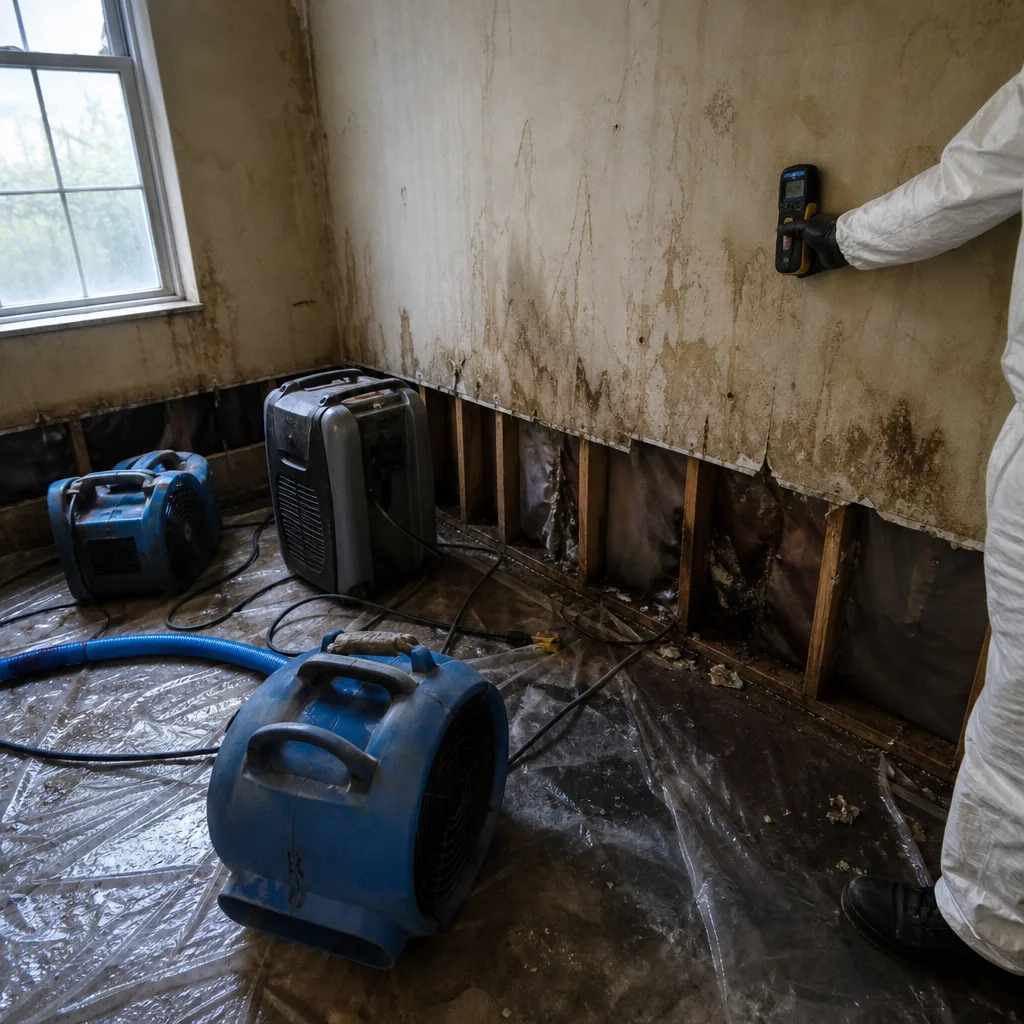 Before
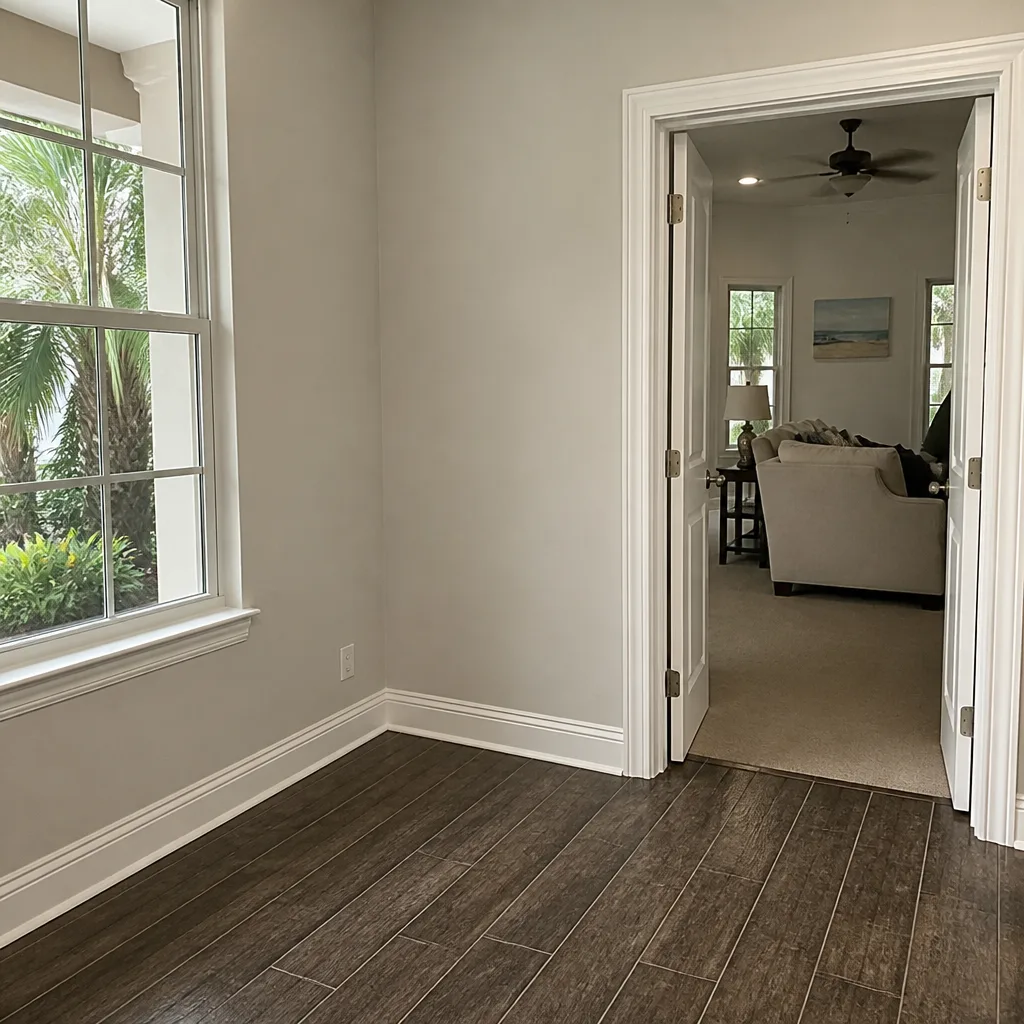 After
After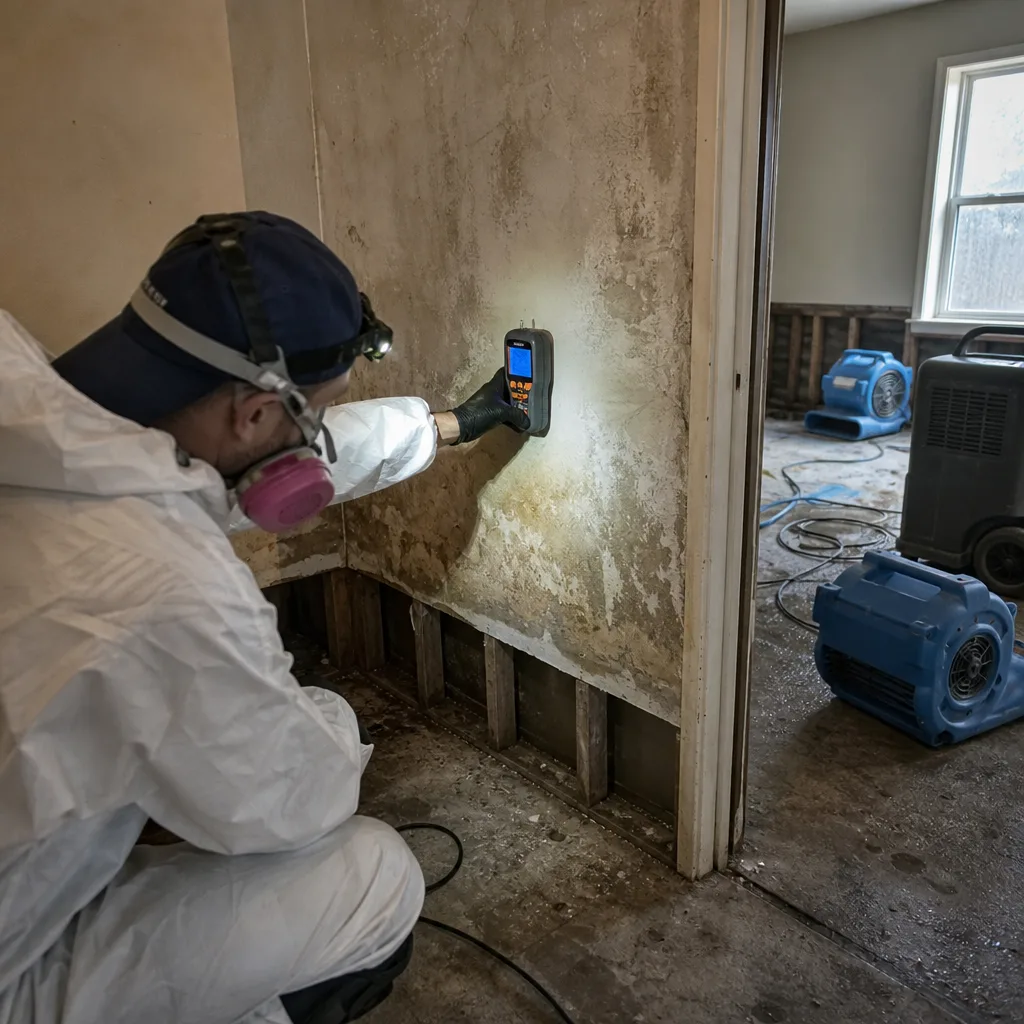 Before
 After
After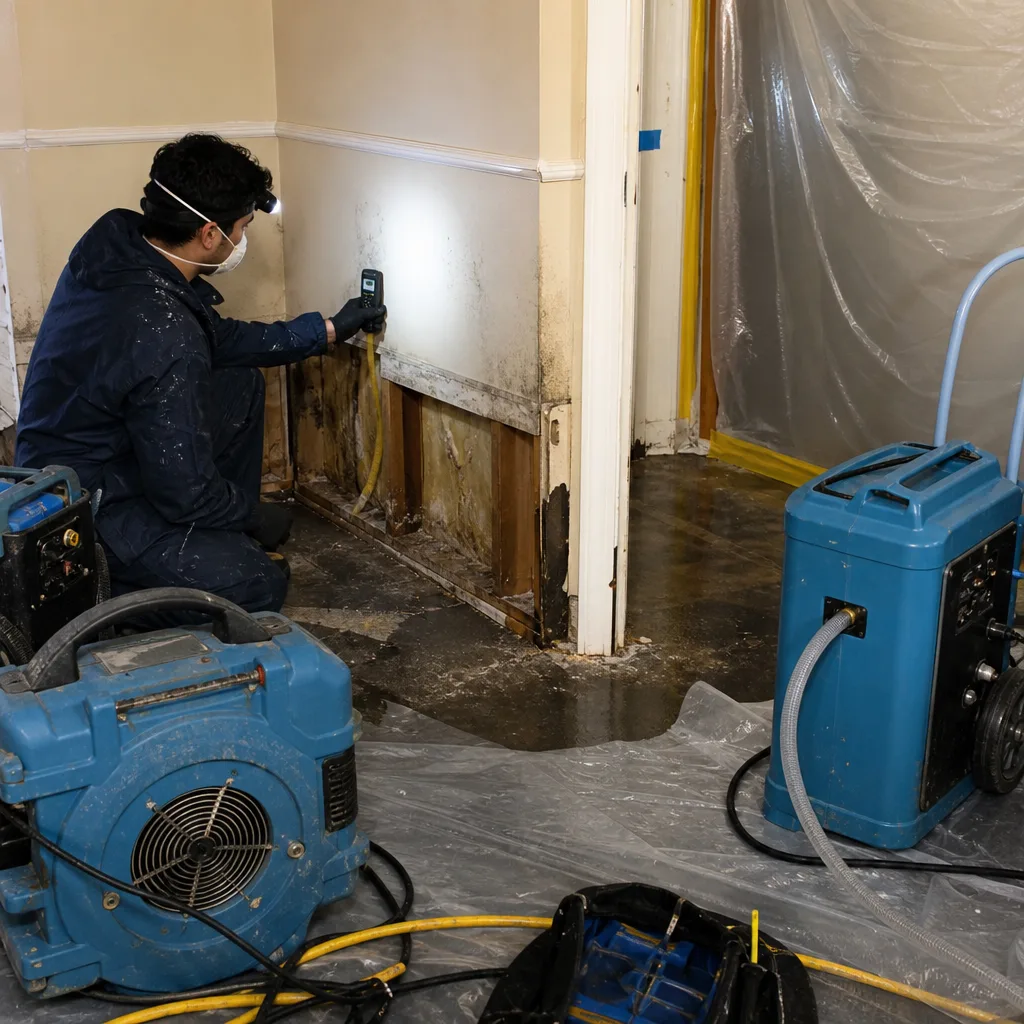 Before
 After
After