

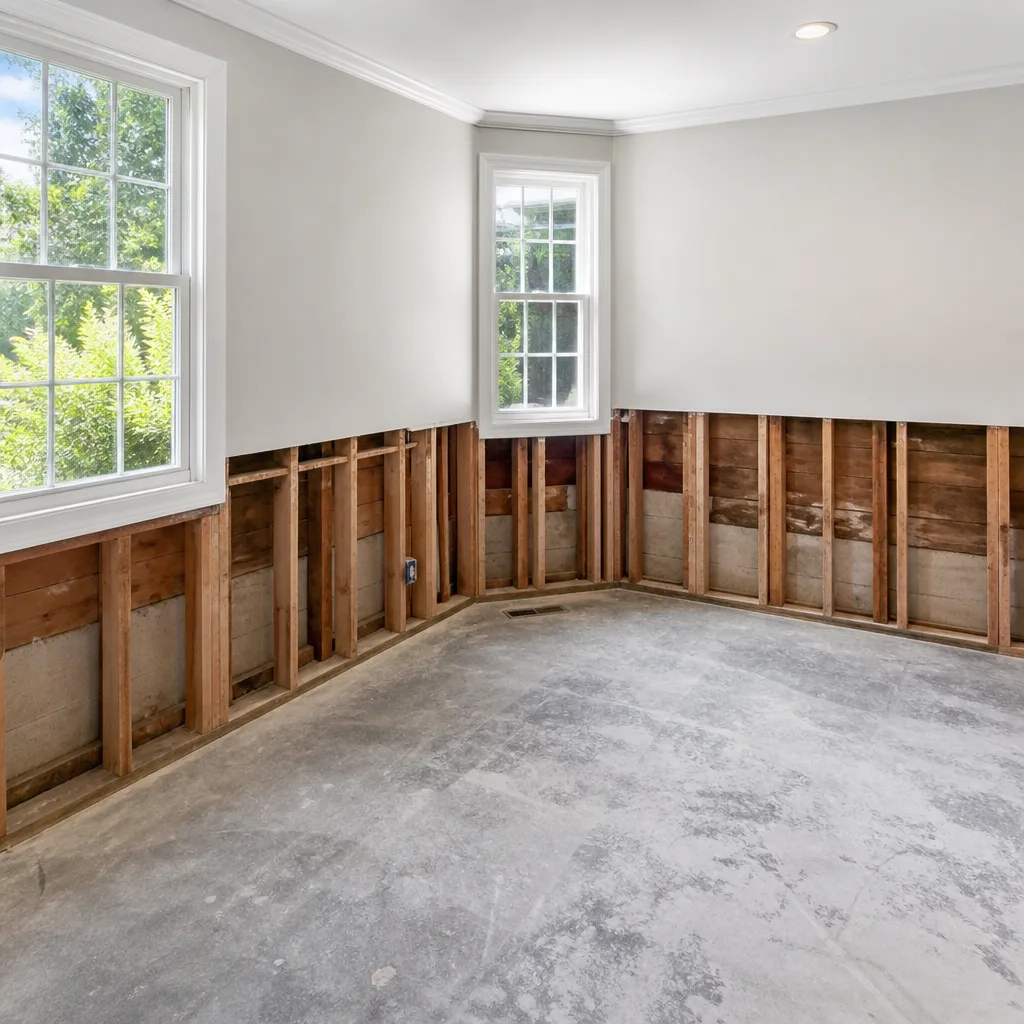
 Mold remediation
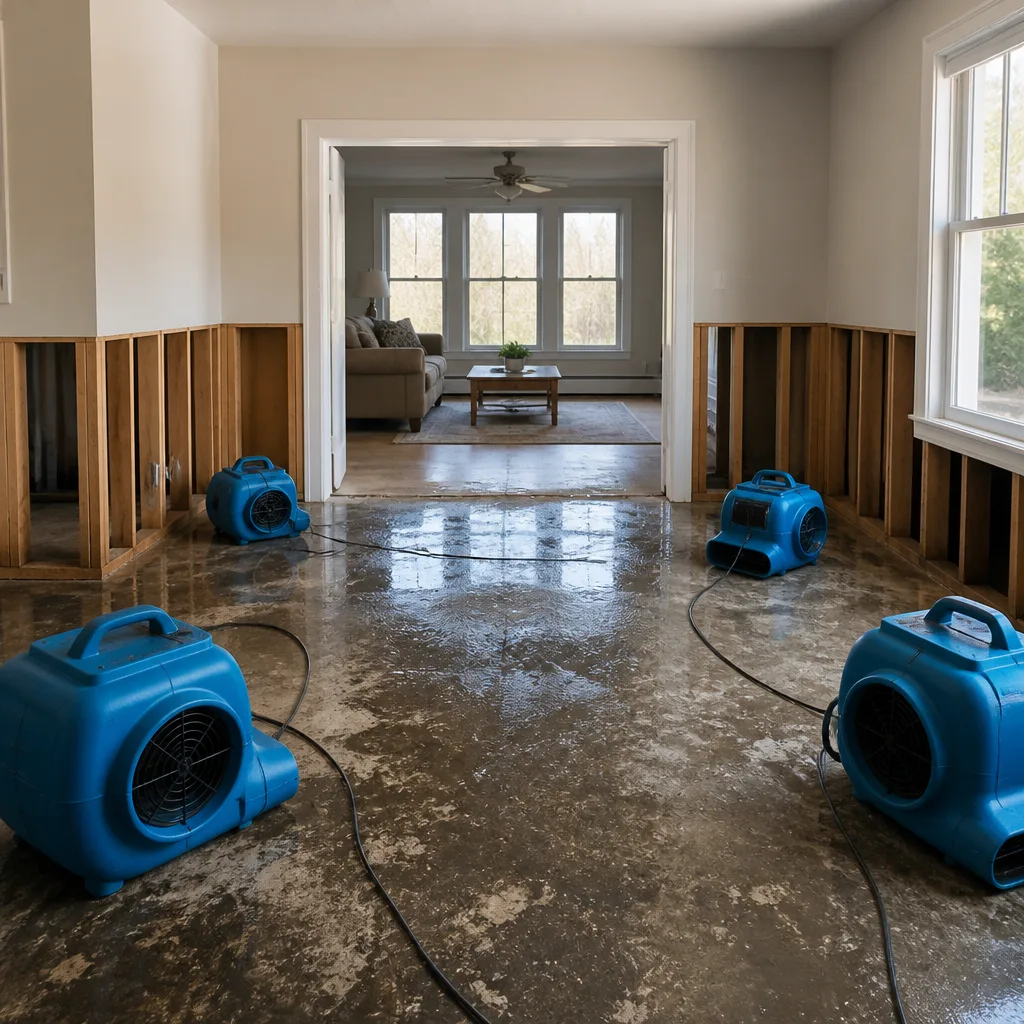 Water damage drying
 Fire & smoke cleanup
 Storm response
 Sewage cleanup
 Reconstruction
Free visual inspection and a written scope of work before any mitigation begins - photos, moisture readings, and drying logs go in your claim file
The scope we write is the scope we bill. Anything new gets shown to you, in writing, before we touch it.
Get your free estimateFast, Reliable Mold Remediation Across Winter Park
Mold remediation in Winter Park typically costs $1,800 – $6,500 depending on how far the growth has spread and whether it’s behind original stucco or in a crawlspace. Most jobs in Winter Park are fully scoped within 48 hours and can start the same week we inspect. If you’ve spotted dark staining on a wall, caught a musty smell in a hallway, or had water push through crawlspace vents after a storm, call (850) 771-2670 and a live person will walk you through what happens next.
We’ve worked in enough 1920s Spanish Mediterranean and Colonial Revival homes to know that mold in Winter Park rarely announces itself on the surface first. It starts in the places you can’t see: behind stucco, under heart-pine floors, inside shallow crawlspaces that stay damp for weeks after a summer downpour. That’s why our Mold Remediation team leads with moisture mapping and containment before we ever start removing material. You get a written price before any work starts, a live arrival time you can track, and before-and-after photos by text as the job progresses.
Why Wendell Restoration Orlando Is Winter Park’s Preferred Mold Remediation Company
Winter Park homeowners call us because we answer the phone and tell you the price before touching a single tool. The number on the screen is the number you pay, and that price is put in writing before any work begins. Blake Sorensen leads our Orlando team, and every job runs to the same standard: IICRC protocol, professional-grade drying equipment from Dri-Eaz, B-Air, and XPOWER, and a 365-Day Done Right Promise spelled out on every repair.
We know the difference between a 1950s concrete-block home off Howell Branch Road and a 1920s lakefront house near Lake Virginia. The older structures have raised wood floors and crawlspaces that trap moisture from Winter Park’s clay-heavy soils. The newer infill on smaller lots often has tighter building envelopes but worse drainage. Neither responds well to a one-size-fits-all mold treatment. Our techs are background-checked and uniformed, and you’ll get a live arrival time you can track, not a vague four-hour window.
Winter Park’s subtropical climate means mold gets a head start most of the year. From June through September, afternoon thunderstorms dump an inch or two of rain in under an hour, overwhelming older drainage systems and pushing water through crawlspace vents near the Chain of Lakes. In that humidity, visible mold can appear within 48 hours. That’s why we keep crews available for same-week starts in Winter Park and never route your call to a voicemail.
Restoration work we handle
Mold Inspection in Winter Park
Mold Inspection in Winter Park is the first step when you smell something off but can’t see it, or when a home inspection flags elevated moisture before a sale. Our techs inspect the visible surfaces, then use moisture meters and thermal imaging to map what’s happening behind walls, under floors, and inside crawlspaces. A typical mold inspection in Winter Park runs $300 – $600 depending on square footage and whether we’re testing air samples or just mapping moisture.
You need one after any water event that wasn’t dried within 24 hours. You also need one before buying any older Winter Park home, especially if the seller can’t document prior water damage. Given how many homes here sit on raised wood floors above shallow crawlspaces, a visual-only inspection misses too much.
Moisture Mapping and Air Quality Testing
We don’t just look for mold. We map moisture across every surface, because in a Winter Park historic home, water moves laterally through plaster and heart pine long after the original leak stopped. Air quality testing tells you whether spores have already spread into the living space, which determines whether we need full containment or a targeted removal.
Pre-Purchase Mold Assessments
Buying a home off Lakemont Avenue or in the tree-canopy neighborhoods around Rollins College? A mold inspection before you close can save you tens of thousands in remediation and floor repair later. We document everything with photos so you have a written record for your insurance claim or negotiation.
Mold Removal Specialist in Winter Park
A Mold Removal Specialist in Winter Park does more than cut out drywall and spray bleach. Our job is to remove the mold at its source, dry the structure to the right moisture content, and make sure the same problem doesn’t come back in six months. Removal runs $1,500 – $5,500 for a typical Winter Park home, depending on whether the mold is in a single bathroom wall, a crawlspace, or behind multiple exterior stucco walls.
In an older home with custom millwork and irreplaceable flooring, every cut matters. We set containment before disturbing any moldy material, run negative air pressure with HEPA filtration, and bag all debris before it leaves the work area. We also photo-document every step so your adjuster has what they need without a fight.
Containment and Controlled Demolition
The biggest mistake in high-end Winter Park homes is skipping containment during pack-out. One open-concept living room with silk drapery and upholstered furniture can collect mold spores from a bathroom demo in an hour. We seal the work area with plastic sheeting and run HEPA air scrubbers from the first cut until the last bag leaves the house.
Structural Drying Before Finish Work
In Winter Park, you can’t just remove mold and start rebuilding. The same clay soil that makes the old oaks thrive also holds water against raised wood subfloors for weeks. We track psychrometric drying (monitoring the air’s moisture level so we know when your home is truly dry, not just surface-dry) and refuse to close up a crawlspace until the wood hits the right moisture content.
Trusted Brands We Service in Winter Park
Winter Park homeowners choose mold remediation equipment by brands that actually hold up in high-humidity, clay-soil conditions. We deploy XPOWER air movers and B-Air dehumidifiers on nearly every job, and we follow IICRC standards that commercial loss sites require. That means the equipment in your 1920s lakefront home is the same grade we’d run on a commercial building. We stock replacement filters, HEPA cartridges, and antimicrobial treatments locally so parts arrive fast when a Winter Park job needs them mid-project, not a week later from a warehouse in another state.
Common Mold Remediation Problems We See in Winter Park Homes
- Hidden moisture behind original stucco. Winter Park’s 1920s masonry homes shed water differently than newer stucco. When rain drives against a wall, water can sit between the stucco and the frame for days, and mold blooms behind the finish without ever showing on the surface.
- Raised wood floors trapping crawlspace humidity. Homes near the Winter Park Chain of Lakes sit on shallow crawlspaces that stay above 60% humidity for weeks after a storm. Heart-pine subfloors absorb that moisture, cup, and support mold growth that homeowners only notice when the musty smell creeps upstairs.
- Clay soil holding water against foundations. The clay that makes Winter Park’s tree canopy possible also holds water against foundation walls and piers. Without moisture mapping and structural drying, a remediation job that looks finished can leave enough dampness for mold to return in a single season.
- Containment skipped in open-concept layouts. Winter Park’s high-end remodels often open up the first floor into one large living space. Cutting out moldy drywall without proper containment spreads spores onto custom millwork and upholstered pieces, turning a small bathroom job into a whole-house contamination event.
See the difference
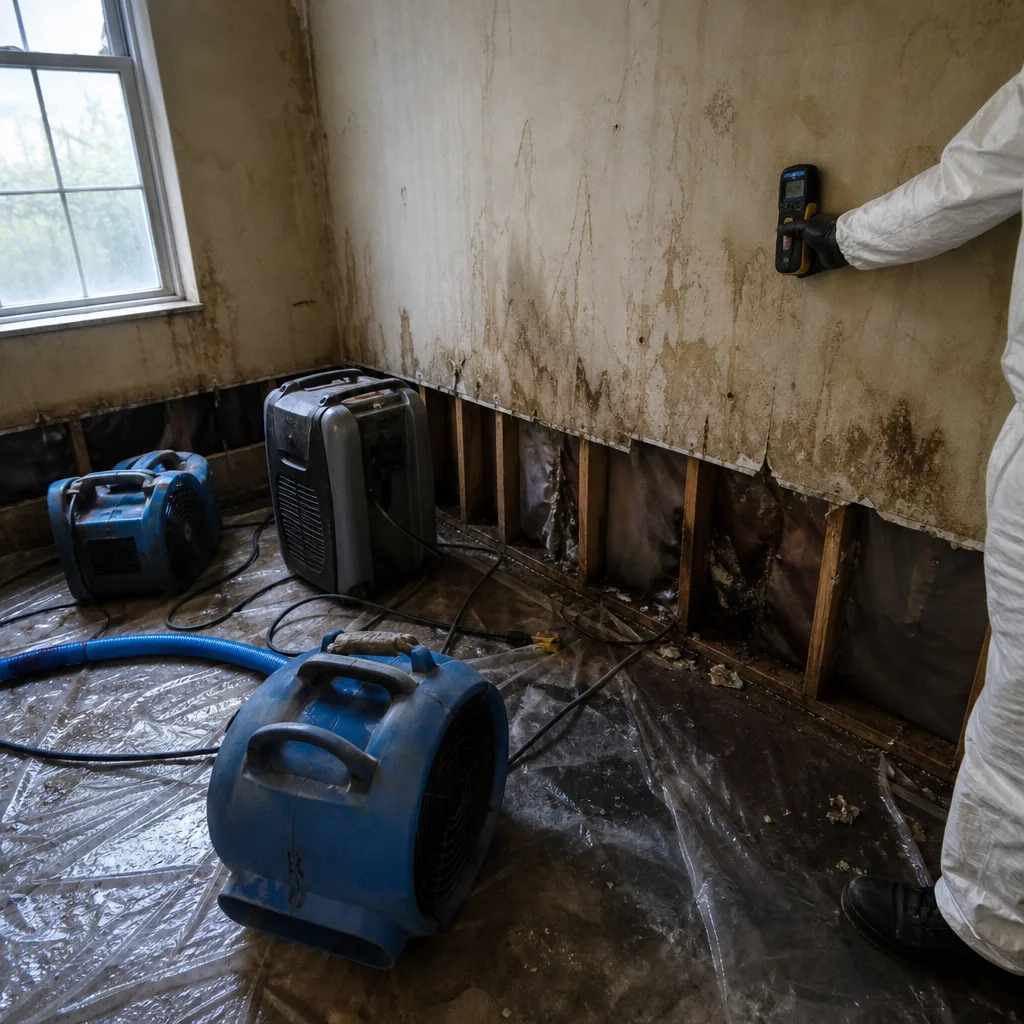 Before
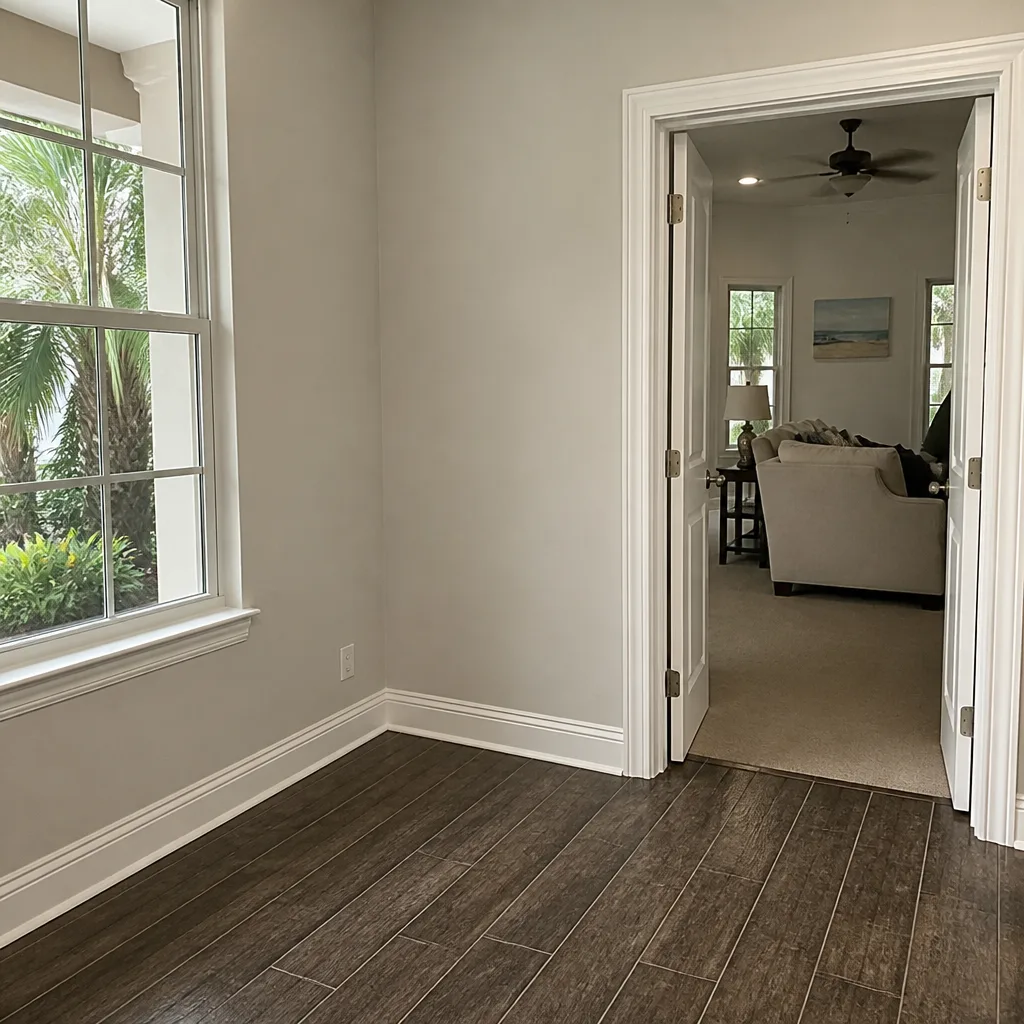 After
After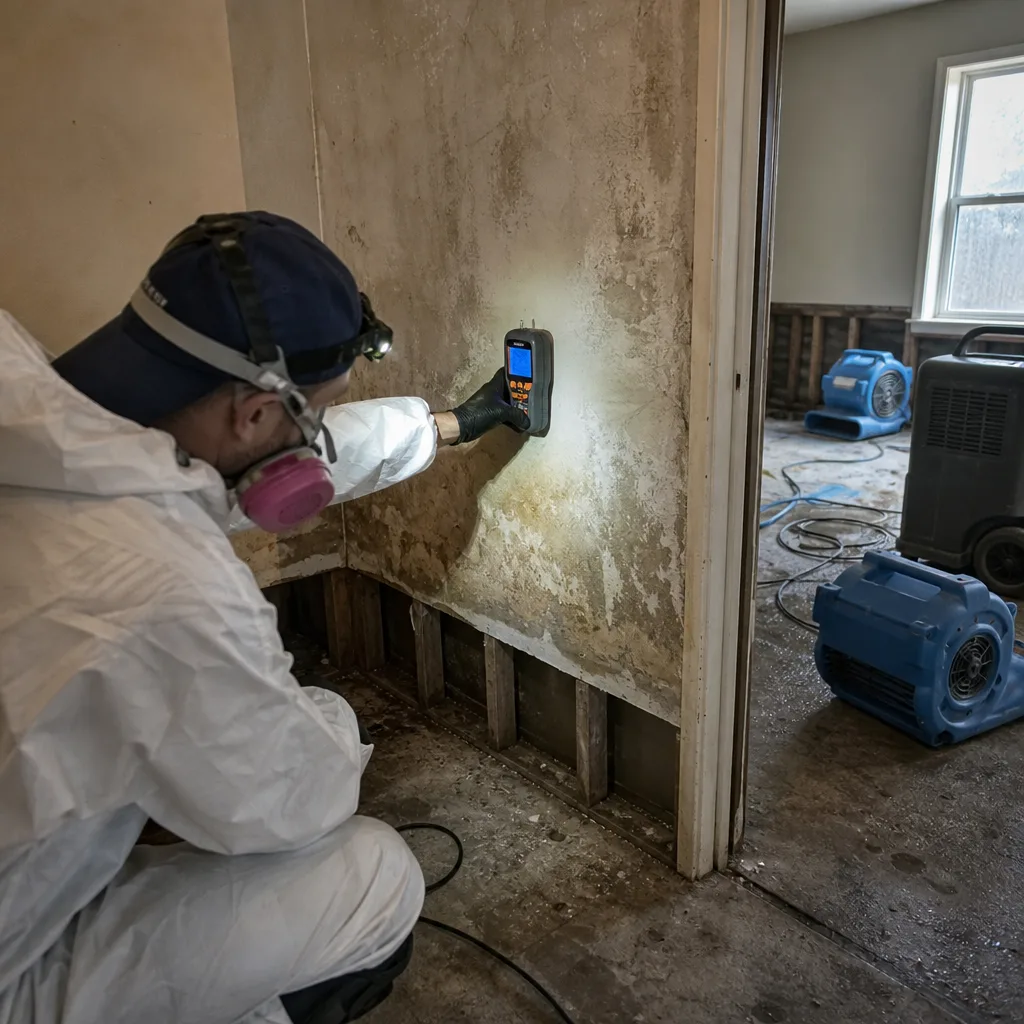 Before
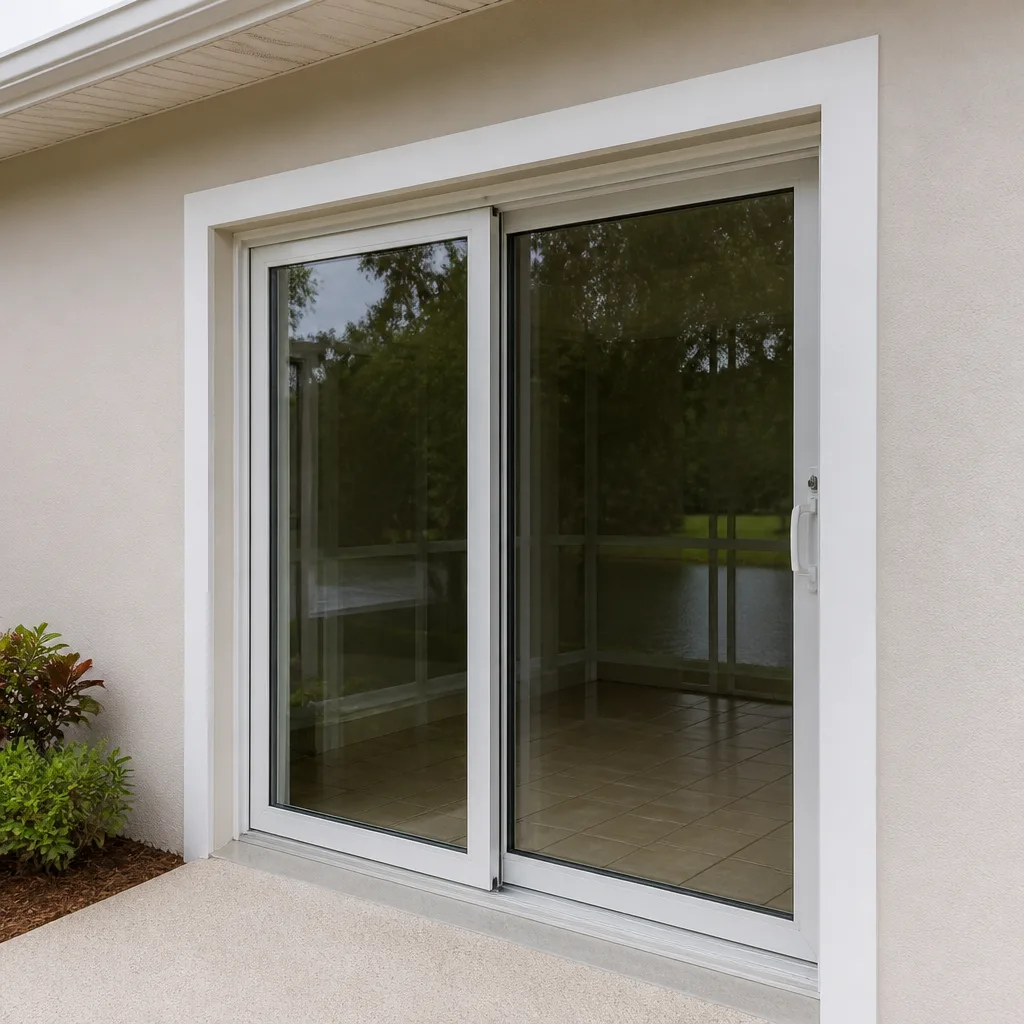 After
After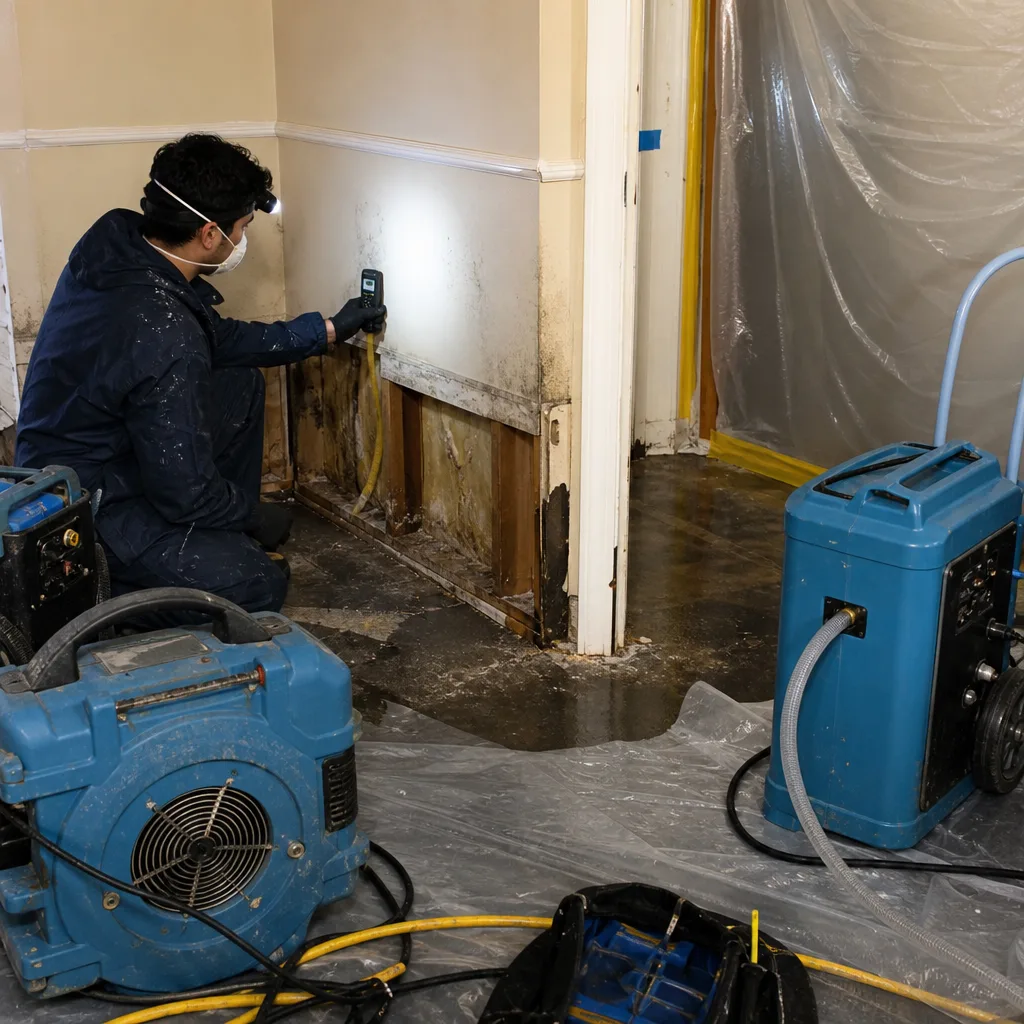 Before
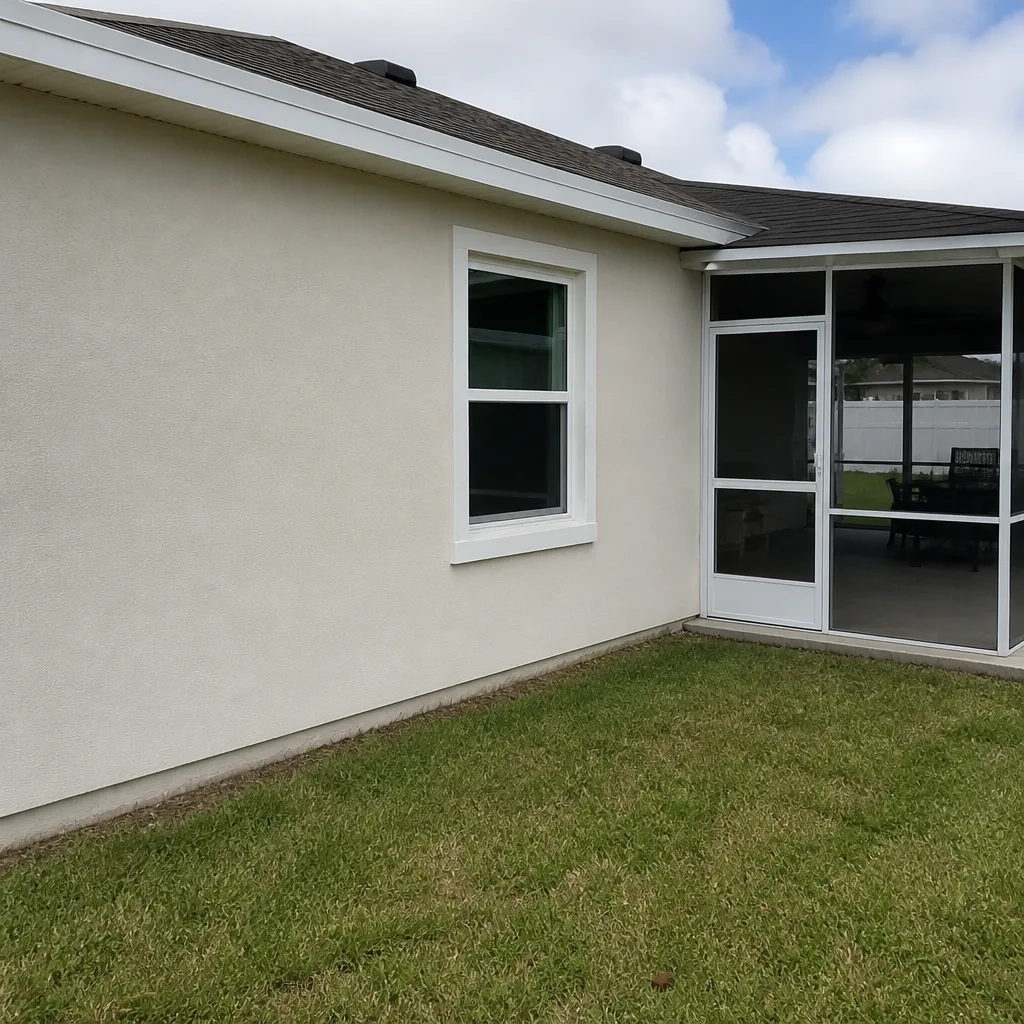 After
AfterPricing for Mold Remediation in Winter Park, FL
We Also Serve Cities Near Winter Park
Wendell Restoration Orlando handles mold remediation across Mold Remediation in Winter Park and the surrounding metro. We serve Maitland, Orlando, Altamonte Springs, and Longwood with the same written-price-before-work standard and live arrival times. If you’re in an older home in any of these cities, the crawlspace and stucco issues we described apply just as much.
Serving Winter Park, FL - Our Local Coverage Area
We’re based in the Winter Park area and know this community well. Use the map below to see our service coverage - if you’re nearby, we can almost certainly help.
FAQs About Mold Remediation in Winter Park
How quickly does mold grow in Winter Park’s humid summer after a roof leak or burst pipe?
Mold can start growing within 24 to 48 hours in a Winter Park summer, especially after a storm saturates walls or a pipe bursts inside a closed-up house. In the humid months from June through September, you don’t have days to wait. Call (850) 771-2670 the day you notice water, and we’ll get a tech out to start drying before mold has a chance to bloom.
Do older Winter Park homes with raised wood floors and crawlspaces need different mold remediation than newer slab-on-grade houses?
Yes. A 1920s home with a raised wood floor and shallow crawlspace holds moisture differently than a slab-on-grade house. The crawlspace itself can stay humid for weeks after the visible water is gone, so structural drying and moisture mapping are mandatory before any finish work. Newer homes can sometimes be treated with containment and localized removal. Older homes almost always need crawlspace treatment too.
What category of water from the Winter Park Chain of Lakes requires mold remediation, not just drying?
Category 2 water, or “gray water,” from lake-effect flooding or sump-pump failures carries contaminants that can support mold growth. Category 3 water, or “black water,” from sewage backup or standing lake water that’s sat for days, always requires antimicrobial treatment after extraction. If water from a storm pushed through your crawlspace vents near Lake Virginia or Lake Maitland, assume you need more than just drying.
Can mold hide behind the original stucco of a Winter Park historic home without showing on the surface?
Yes, and it does regularly. Original stucco is porous, and when water gets between the stucco and the frame, mold grows in the cavity behind the finish. You may not see it for months. Thermal imaging and moisture meters catch what a visual check misses, which is why we always map moisture on exterior Winter Park walls before quoting a job.
How do you protect custom millwork and heart-pine floors during mold remediation in a Winter Park lakefront home?
We set full containment with negative air pressure before any demolition starts, which keeps spores from settling on millwork, silk drapery, or upholstered pieces. Heart-pine floors get covered with protected sheeting, and we monitor moisture levels throughout the job so salvageable flooring isn’t pulled unnecessarily. Every step is photo-documented, and you get those before-and-after photos by text as the work happens.
Ready to Get Started in Winter Park?
If you suspect mold in your Winter Park home or you’ve had water intrusion after a storm, don’t wait for the musty smell to spread. Call (850) 771-2670 and talk to a live person right now. We’ll schedule an inspection, put the price in writing before any work starts, and show up with a live arrival time you can track. Winter Park’s older homes are worth preserving, and with the right remediation, you won’t have to choose between your health and your home’s original character.
Written by Blake Sorensen, Owner at Wendell Restoration Orlando, serving Winter Park with water damage and mold remediation since 2006.